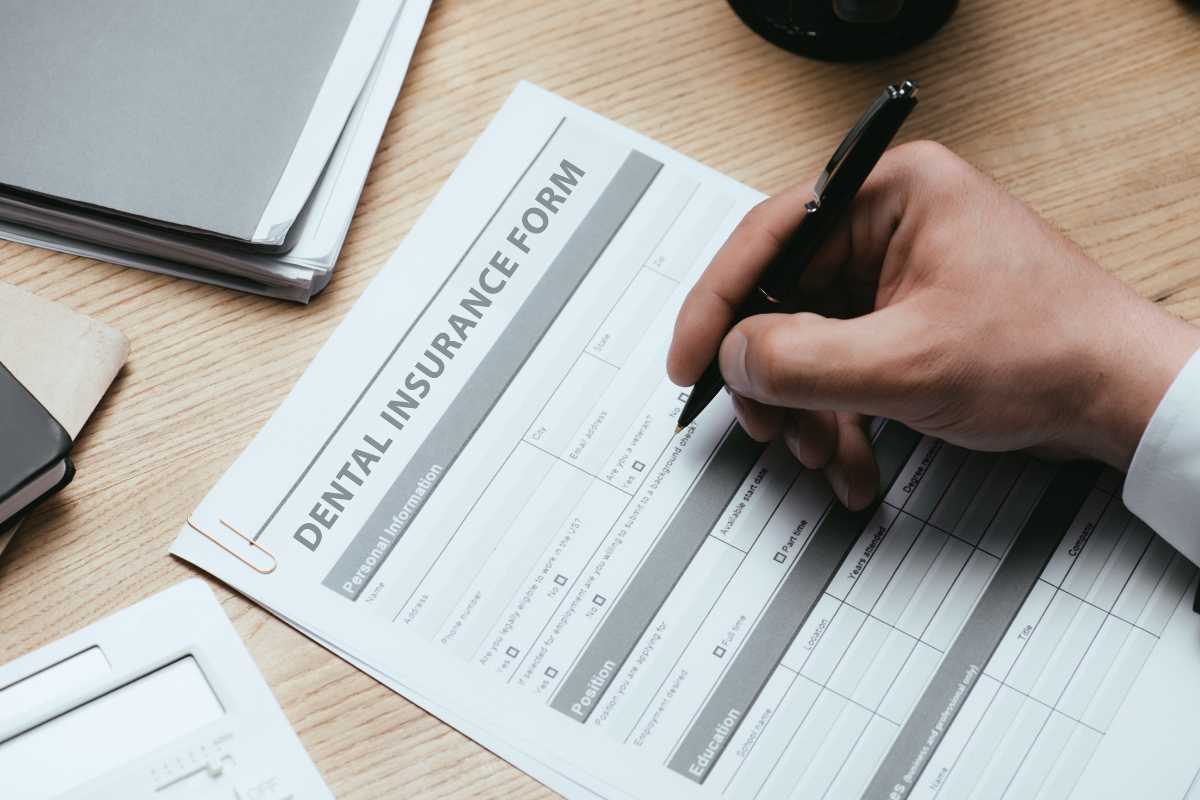
Every billing coordinator and front-desk team has faced this moment: a patient’s insurance eligibility check comes back looking fine, but the claim is denied weeks later because the coverage was actually inactive. It is one of the most frustrating and expensive problems in dental billing, and it happens far more often than most practices realize.
Understanding why an insurance eligibility check fails and what separates active coverage from inactive coverage is the first step to preventing denied claims, delayed payments, and awkward conversations with patients about unexpected bills.
What Does “Active” vs. “Inactive” Coverage Actually Mean?
Active coverage means a patient’s dental insurance plan is currently in force. Premiums are paid, the plan has not lapsed, and the payer will reimburse for covered services rendered on that date.
Inactive coverage means the opposite. The plan has ended, been suspended, or was never active in the first place. This can happen even if the patient is holding an insurance card that looks completely valid, because insurance cards do not update in real time.
The problem is that an insurance eligibility check only reflects the payer’s data at the exact moment the check is run. If that data is outdated, incomplete, or misread, the eligibility check can report “active” when the coverage is actually inactive, or the reverse.
Common Reasons an Insurance Eligibility Check Fails
There are several recurring reasons eligibility checks return inaccurate results, and most of them are avoidable with the right process.
1. Coverage terminated but not yet updated in the payer’s system – When a patient loses employer-sponsored coverage or switches jobs, there is often a lag between the termination date and when the insurance company’s system reflects it. A same-day eligibility check can still show the old plan as active.
2. New plan year, new benefits – January 1st resets deductibles, annual maximums, and sometimes entire plan structures. A patient’s coverage may technically stay active, but the benefit details that a practice relied on in the previous month are no longer accurate.
3. Waiting periods on new policies – Some plans impose waiting periods for major or basic services even after the policy is technically active. A basic active vs inactive coverage check will not catch this nuance unless it is verified in detail with the payer.
4. Incorrect subscriber information – A transposed member ID, a maiden name still on file, or a mismatched date of birth can cause a payer’s system to return a false inactive status, even though the plan is active.
5. Manual verification errors and long hold times – In-house insurance verification is typically done by phone, and calls to payers routinely take 30 to 60 minutes per patient, often with long hold times before reaching a representative. Under that kind of time pressure, front-desk staff can misread a benefit breakdown or record the wrong effective date, leading to a failed or inaccurate eligibility check.
Why This Matters for Your Practice
A failed eligibility check is never just an administrative inconvenience. It has real financial consequences.
- Denied claims mean delayed revenue and additional staff time spent on appeals and resubmissions.
- Patient trust erodes when someone is told their treatment is covered, only to receive a surprise bill later.
- Staff time is pulled away from patients. Every minute spent on hold with an insurance company is a minute not spent at the front desk or chairside.
For practices seeing a high volume of patients, even a small error rate in eligibility checks adds up to thousands of dollars in write-offs and rework every year.
How In-House Verification Wastes Valuable Staff Time
Verifying insurance in-house typically takes 30 to 60 minutes per patient once hold times, portal logins, and callbacks are factored in. When that process is handled internally, it pulls staff attention away from the most important part of any dental practice: the patients sitting in the waiting room and in the chair.
This is exactly the problem Verifixed was built to solve. Verifixed was started by practicing dentists who experienced this exact headache firsthand and set out to remove it from the daily workload of dental teams.
How Verifixed Solves the Active vs. Inactive Coverage Problem
Verifixed takes the entire insurance verification process off your team’s plate. Instead of your staff spending hours on hold trying to confirm whether a plan is active or inactive, experienced Verifixed agents contact the insurance companies directly to gather accurate, up-to-date benefit information for every patient.
Here is what makes the process simple:
Submit Your Patient: Upload your patient’s information into the Verifixed portal.
Get Verified Verifixed’s agents verify the patient’s coverage directly with the insurance company, confirming active or inactive status along with the specific benefit details.
Print or Download Once verification is complete, your team can easily download or print the results, ready to use at the front desk.
Verifixed also offers real-time, multi-format reporting so your team always has visibility into verification status, and custom forms built around how your practice actually works, with no downtime during setup.
For practices using Open Dental, Verifixed is an Authorized Open Dental Vendor, offering a fully integrated, automated verification workflow. Verified benefits populate directly into each patient’s profile inside Open Dental, eliminating manual data entry and reducing the risk of a missed active vs inactive coverage discrepancy before it ever reaches the treatment chair.
By outsourcing eligibility verification to Verifixed, your staff can stop worrying about insurance breakdowns and get back to focusing on your patients.
Ready to stop losing time and revenue to failed eligibility checks? Schedule a demo with Verifixed today and see how automated, accurate insurance verification can work for your practice.
Frequently Asked Questions
1. What is the difference between active and inactive insurance coverage?
Active coverage means the patient’s insurance plan is currently in force and the payer will reimburse for covered services. Inactive coverage means the plan has lapsed, been terminated, or never started, meaning the payer will not cover services rendered under that plan.
2. Why does an insurance eligibility check sometimes show incorrect information?
Eligibility checks reflect the payer’s records at the exact moment the check is run. If a patient’s coverage was recently terminated, changed, or if subscriber details are entered incorrectly, the check can return outdated or inaccurate results.
3. How long does it typically take to verify insurance eligibility in-house?
In-house verification generally takes 30 to 60 minutes per patient once hold times and callbacks with the insurance company are factored in, which can significantly slow down front-desk operations.
4. Can insurance coverage change without a practice knowing?
Yes. Plan years reset benefits annually, employers change carriers, and patients switch jobs. Any of these events can change a patient’s active vs inactive coverage status without the practice being notified in advance.
5. How does Verifixed help prevent failed eligibility checks?
Verifixed’s experienced agents contact insurance companies directly to confirm accurate, current coverage details for every patient. Combined with real-time reporting, a simple portal-based submission process, and full Open Dental integration, Verifixed reduces the errors that lead to denied claims and unexpected patient bills.